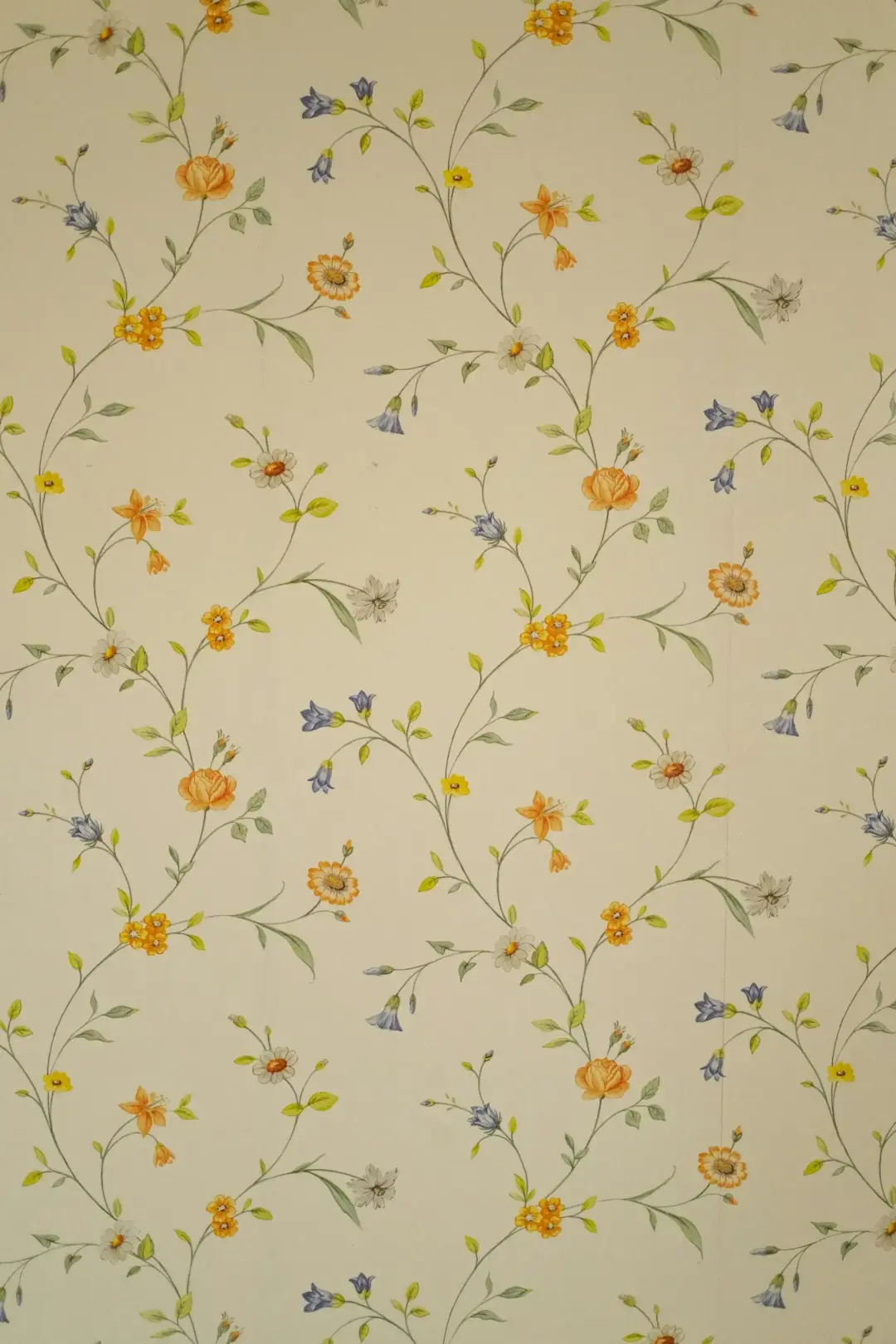
This article asks: How long does wallpaper removal take? Learn about room size, wallpaper type, wall condition, and tools that can help minimise removal time in your property.
What Affects Wallpaper Removal Time?
Wallpaper removal time depends on several things, and no two rooms are always the same. The size of the room is the first thing to think about. A small box room with one feature wall will usually take far less time than a large living room with high ceilings and wallpaper on every wall. The number of doors, windows, alcoves, radiators, shelves, sockets, and awkward corners also matters because these areas need careful work.
The type of wallpaper makes a major difference, too. Some modern wallpapers are made to peel away in large sheets, which can help to save a lot of time, whereas older wallpaper, thick wallpaper, painted wallpaper, and several layers of paper can take much longer. The adhesive used behind the paper is also important. Some glues soften quickly with warm water or steam, while others hold firmly and need repeated soaking.
Wall condition can also slow the job down. If the plaster underneath is weak, cracked, damp, or uneven, the paper must be removed with extra care. Pulling too hard can damage the wall and create more repair work. Paint, sealers, and past decorating work can also affect how easily the paper comes away.
Preparation time should not be forgotten. Furniture may need to be moved, floors covered, sockets protected, and tools set out before the work starts. Cleaning up afterwards also takes time. In general, the more layers, damage, and awkward details there are, the longer wallpaper removal will take.
Average Time to Remove Wallpaper from One Room
The average time it takes to remove wallpaper from one room can range from a few hours to a full day or more. For much smaller rooms with one layer of easy-peel wallpaper, the work may take around three to five hours. A medium-sized bedroom or dining room with standard wallpaper may take one full day, especially if all walls are covered. A large room, stairwell, or room with high ceilings can take longer because access is harder and there is more surface area to cover.
A room with wallpaper on every wall usually takes longer than a room with one feature wall. It is also important to include the time needed for setting up and cleaning. Before removal begins, furniture should be moved away from the walls, flooring should be protected, and electrical points should be treated carefully. After the paper comes off, loose scraps, wet paper, and glue residue need to be cleared away.
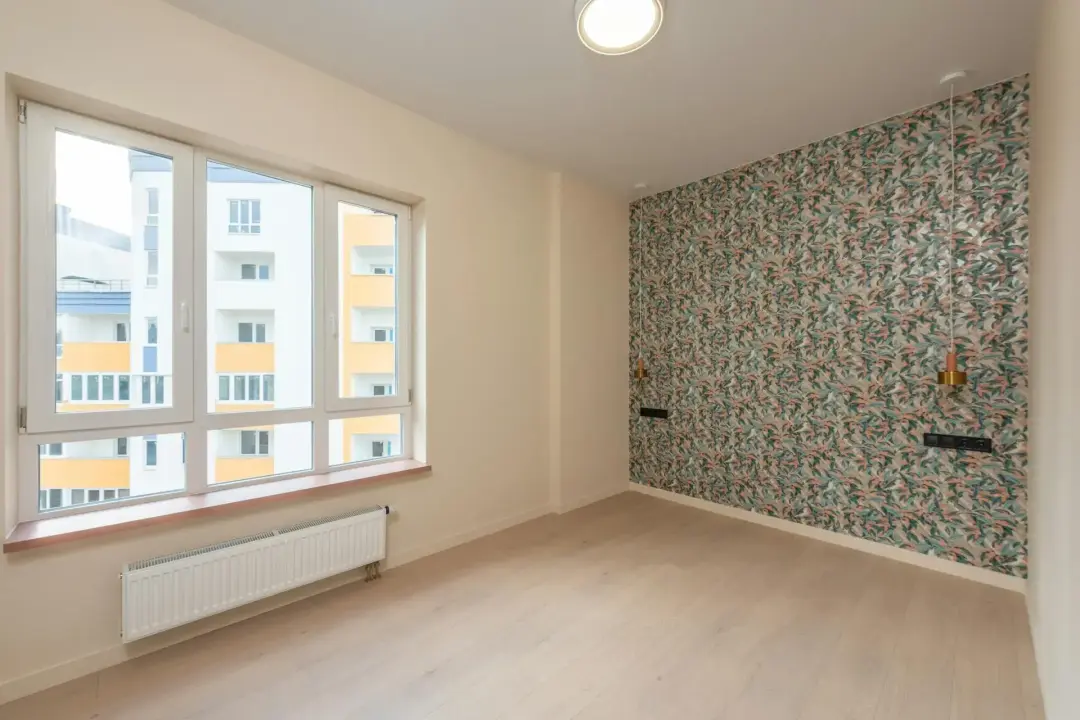
The condition of the wallpaper also affects the average time. If the paper has been fitted well and is not painted over, it may come off in large pieces. If it tears into tiny strips, the job becomes much slower. Some rooms look simple at first, but hidden problems can appear once work begins. Extra layers of paper, strong glue, or damaged plaster can add several hours.
For most standard rooms, it is sensible to allow at least one day for removal and basic cleaning. If the walls need repairs afterwards, wall preparation will need extra time.
How Wallpaper Type Changes the Time Needed
Wallpaper type is one of the biggest reasons removal times vary. Some wallpapers are designed to be removed easily, while others are much more stubborn. Peelable wallpaper often has a top layer that can be pulled away, leaving a backing paper behind. This backing still needs soaking and scraping, but it is usually easier than removing a thick decorative surface and backing at the same time.
Vinyl wallpaper can take longer because its surface may stop water or steam from soaking through. The outer layer typically needs to be scored first so that the moisture can reach the adhesive. If this step is missed, the paper may only soften on the surface and remain firmly stuck underneath. Textured wallpaper can also hold moisture unevenly, which means some areas come away easily while others need more work.
Traditional paper wallpaper is often easier to soak, but this depends on the adhesive and the wall surface below. If it has been applied to bare plaster or has been on the wall for many years, it can still be difficult to remove. Lining paper may come away quickly if it was fitted properly, but it may tear if it has been painted many times.
Foil, fabric, and specialist wallpapers can take much longer because they may resist water or pull unevenly. Some may need very careful removal to avoid wall damage. Because of this, identifying the wallpaper type before starting can help you choose the safest and fastest method.
Painted Wallpaper vs Standard Wallpaper
Painted wallpaper tends to take a bit longer to remove than standard wallpaper because the paint creates a barrier. Standard wallpaper is typically best taken off with warm water, remover solution, or steam to reach the glue behind the paper. Once the glue softens, the paper can then be easily scraped away. Whereas painted wallpaper is different because the paint can seal the surface and stop moisture from getting through.
If your wallpaper has only one thin coat of paint, it may still soften after scoring and soaking. If it has several coats, especially strong modern paint, the surface can become tough and almost waterproof. This means the decorator may need to score the paper carefully before applying moisture. Scoring makes small cuts in the surface so water or steam can reach the adhesive. This must be done with care because pressing too hard can mark the plaster underneath.
Painted wallpaper can also hide problems. It may cover loose seams, old cracks, damp marks, or several older layers of paper. Once the top layer starts to come off, the wall may need more work than expected. In some cases, painted wallpaper comes away in small flakes rather than large sheets, which makes the job slower and more tiring.
Standard wallpaper is a lot easier, but it is not always quick. Strong glue, poor wall preparation, and age can still cause problems. Even so, painted wallpaper usually needs more preparation, more soaking, more scraping, and more patience than ordinary wallpaper.
How Wall Condition Can Slow the Job Down
The condition of the wall underneath the wallpaper can greatly affect how long the job takes. If the plaster is firm, smooth, and dry, wallpaper can usually be removed more safely and quickly. If the plaster is loose, cracked, damp, or crumbly, the work must be done more carefully. Pulling or scraping too hard may take away pieces of plaster as well as paper.
Older walls usually need lots of extra care because the plaster may have weakened over time. In some homes, wallpaper has been used to cover uneven surfaces, old repairs, or cracks. Once the paper is removed, these problems become visible. The removal itself may take longer because each area needs a gentler approach. Instead of using strong scraping, it may be better to soak small sections and lift the paper slowly.
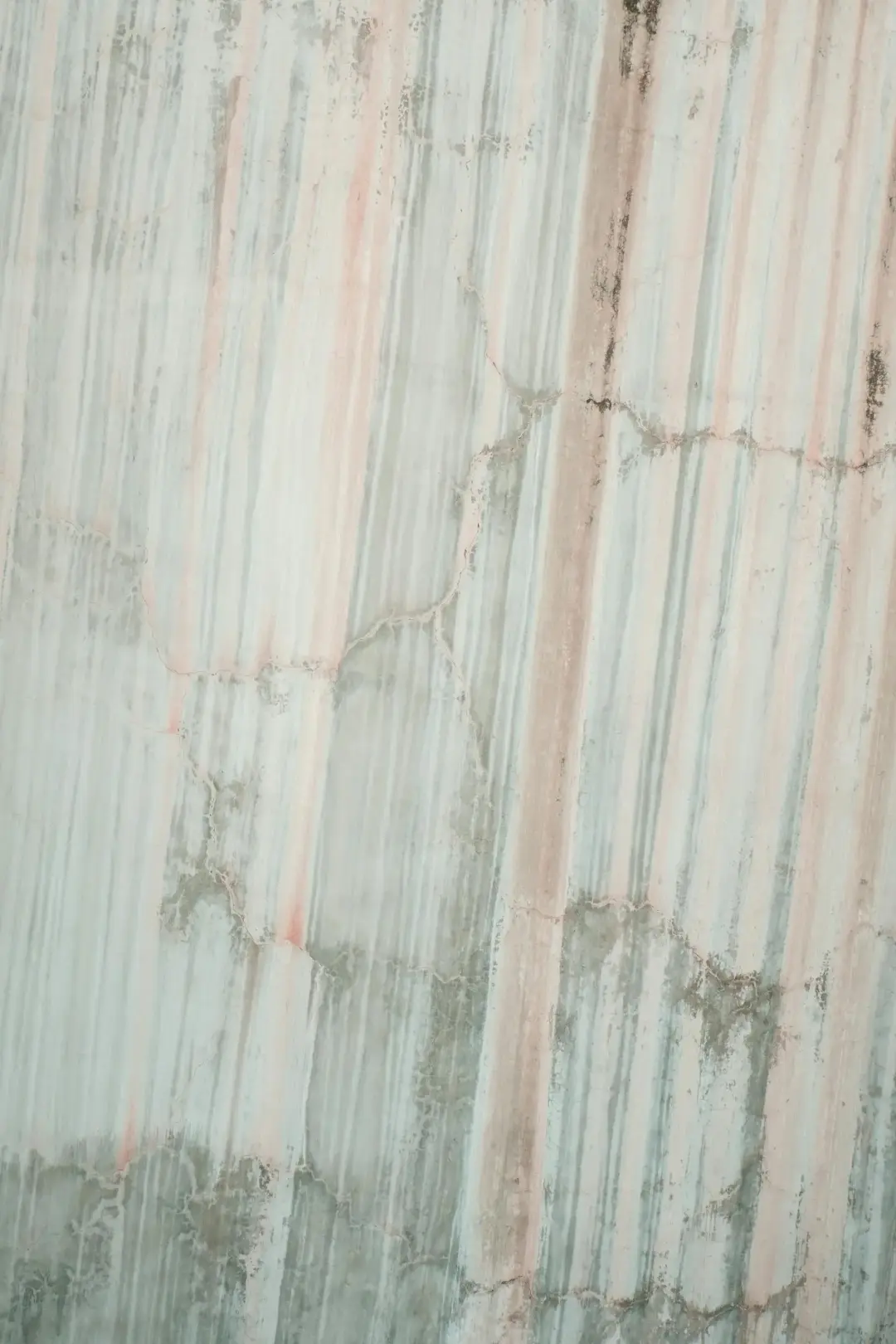
Damp walls can also slow the job down. Wallpaper may feel soft in some places but remain stuck in others. Damp patches can cause staining, mould, and damaged plaster. These issues should be dealt with before new paint or wallpaper is applied. If they are ignored, the same problems may return.
Walls that were not sealed before the wallpaper was put up can be harder to work with. The adhesive may have soaked into the plaster, making the paper harder to remove. This can leave more glue behind and increase preparation time. Good wall condition helps the work move smoothly, while poor wall condition can add hours or even days.
Tools That Can Make Wallpaper Removal Faster
The right tools can make wallpaper removal much faster and safer. A basic scraper is useful, but it should be sharp enough to lift the paper without needing heavy pressure. A wide scraper can help with large open areas, while a smaller scraper is better around corners, skirting boards, sockets, and window frames. Using the wrong scrapers or using too much force can cause lots of damage to the wall.
Warm water and a sponge are often enough for simple wallpaper. For a much stronger adhesive, a wallpaper removal solution can help soften the glue. A spray bottle or garden sprayer can make it easier to wet the wall evenly. The key is to give the moisture enough time to soak in before scraping. Rushing this stage often makes the job harder.
A scoring tool can help when the wallpaper has a sealed surface, such as vinyl or painted wallpaper. It creates tiny holes so moisture can reach the glue. Plenty of care is needed because deep scoring can mark the plaster. It’s also good to note that a steam stripper can also speed up removal, especially on older or stubborn wallpaper.
Other helpful items include dust sheets, gloves, a bucket, bin bags, a step ladder, masking tape, and clean cloths. Good lighting also helps because it makes it easier to see leftover backing paper and glue. The right tools do not remove every problem, but they can save a lot of time.
How Long Does It Take to Remove Wallpaper Glue?
Removing wallpaper glue can take just as long as removing the paper itself, especially if the adhesive is thick or old. In a small room, glue removal may take one to three hours. In a larger room, or where several layers of glue have built up, it can take most of a day. It is an important stage because paint or new wallpaper may not stick properly if glue is left behind.
Glue residue is not always easy to see when the wall is wet. It can then feel slippery, shiny, or sticky, but once dry, it may leave patches that show through paint or cause the new wallpaper to bubble. This is why the wall should be washed gently after the paper has been completely removed. The process usually involves wetting a section of wall, waiting for the glue to soften, then wiping or scraping it away. The water should be changed often because dirty water can spread glue back over the wall. After cleaning, the wall should be wiped again with clean water and left to dry.
The time needed depends on how much glue is present and how well it softens. Rushing this stage can lead to poor decorating results later, which is not ideal! A smooth, clean wall is worth the extra effort because it gives a better finish.
Why Older Wallpaper Can Take Longer to Remove
Older wallpaper may take much longer to remove because it may have been on the wall for many years. As time passes, the adhesives can harden, and they are more difficult to soften. The paper itself can also become brittle, which means it tears into small pieces instead of peeling away in large sheets.
In many older homes, there may be more than one layer of wallpaper. A new paper may have been applied over old paper several times. At first, the wall may look like it has one layer, but removal can reveal two, three, or even more layers underneath. Each layer may need soaking, scraping, and cleaning. This can quickly add many hours to the job.
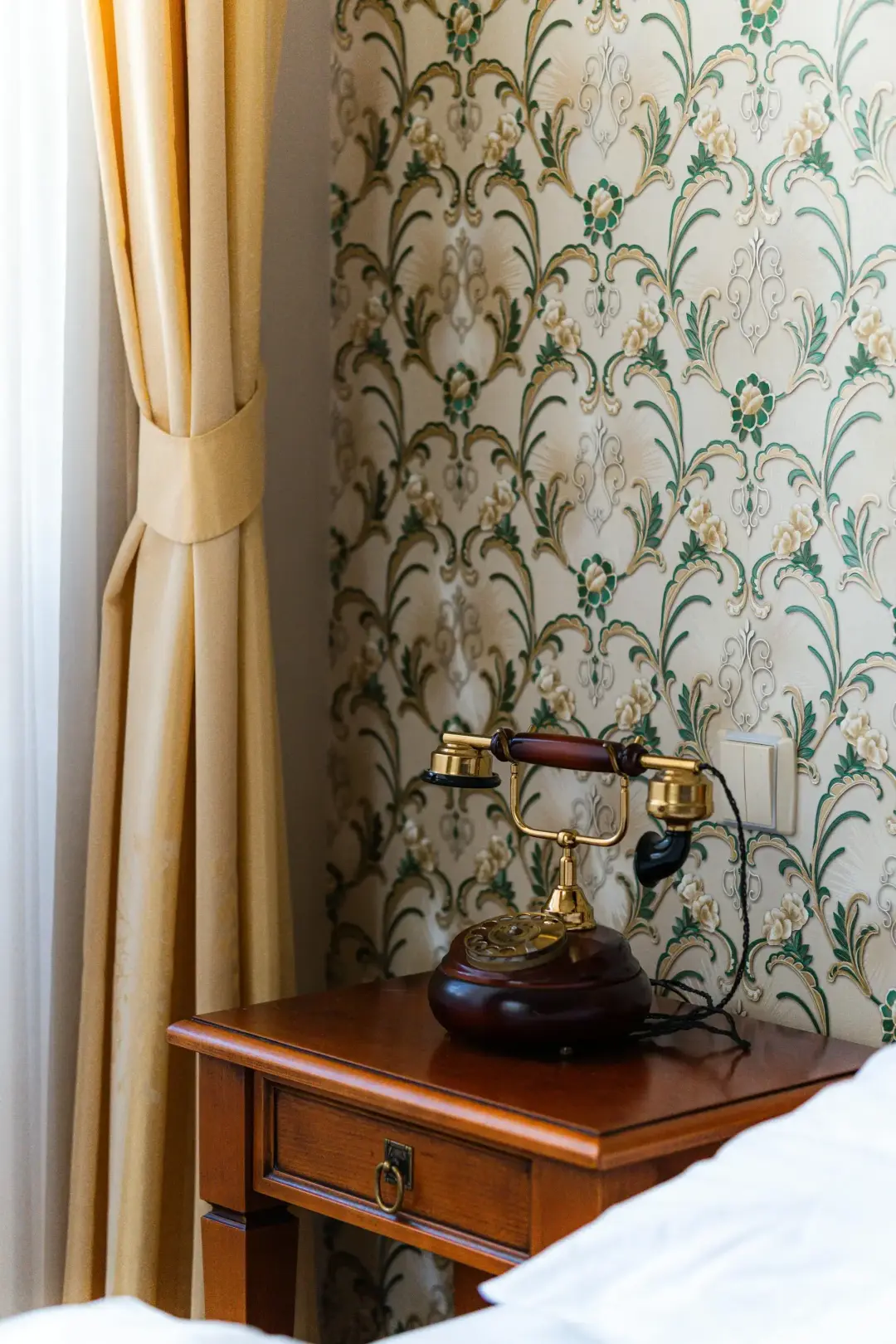
Older wallpaper may also have been applied before modern wall preparation methods were used. If the wall was not sealed, the adhesive may have bonded strongly with the plaster. In some cases, removing the paper can pull away the surface of the plaster. This means the work must be carried out more carefully.
Past decorating choices can also slow the job down. Some old wallpapers have been painted over, repaired, patched, or covered with lining paper. These layers can trap moisture unevenly and make removal harder. Because of these problems, older wallpaper should be approached with patience. It is often better to test a small area first before removing the rest.
Can Wallpaper Be Removed in One Day?
Wallpaper can often be removed in one day, but this depends on the room and the condition of the wallpaper. A small or medium room with one layer of standard wallpaper may be completed within a day if the paper softens well and the walls are in good condition. A single feature wall can often be cleared much faster. However, one day may not be enough if the wallpaper is painted, very old, or fitted in several layers.
The word “removed” can also mean different things. Taking off the visible paper is one stage. Removing the backing paper, washing away glue, cleaning the room, and checking the wall are separate stages. A room may look clear after a few hours, but it may not yet be ready for painting or new wallpaper. Glue and small scraps can still remain on the surface.
A full day can be enough when the work is well planned. The room should be thoroughly prepared first, the tools should be ready, and the removal method should suit the paper. Working in sections is a wise idea because it gives water or steam time to soften the glue. Trying to scrape dry wallpaper usually wastes time and damages the wall.
For difficult rooms, it is better to allow more than one day. This is especially true if walls need repairs after removal. A careful job may take longer, but it helps avoid extra problems when the room is redecorated.
How Long Does Wall Preparation Take After Removal?
Wall preparation after wallpaper removal can take a few hours or several days. It depends on the condition of the wall and the finish you want. If the wallpaper comes away cleanly and leaves a smooth surface, preparation may only involve washing off glue, filling small marks, sanding lightly, and applying a suitable primer. In this case, the work may be done in half a day, although drying time is still needed.
If the wall is damaged, preparation will take longer. Common problems include small holes, torn plaster, cracks, rough patches, and old adhesive. These areas need to be repaired before paint or new wallpaper is applied. Filler must be allowed to dry before sanding. If deeper repairs are needed, the drying time may be longer.
Walls should also be checked for damp or mould. If there are dark patches, peeling plaster, or a musty smell, the cause should be dealt with before decorating. Painting over damp walls will not solve the issue and can lead to further damage.
After the cleaning and repairs, many walls can benefit from the use of a primer or sealer. This helps form an even surface and can prevent any old stains or glue marks from impacting the new finish. Preparation may feel like quite a slow stage, but it has a big effect on the final result. A wall that is properly prepared will look smoother and last longer.
Common Problems That Add Extra Time
Several common problems can add extra time to wallpaper removal. One of the most frequent is finding more layers of wallpaper underneath the top layer. Each extra layer needs to be softened and removed, which can double or triple the work. Painted wallpaper is another common issue because the paint can stop water from reaching the glue.
A strong adhesive can also slow the job down, and some wallpaper glue softens quickly, whereas other glue stays sticky or hard even after soaking. This means that some sections may need repeated wetting and scraping. Glue left behind also adds cleaning time because the wall must be smooth before redecorating.
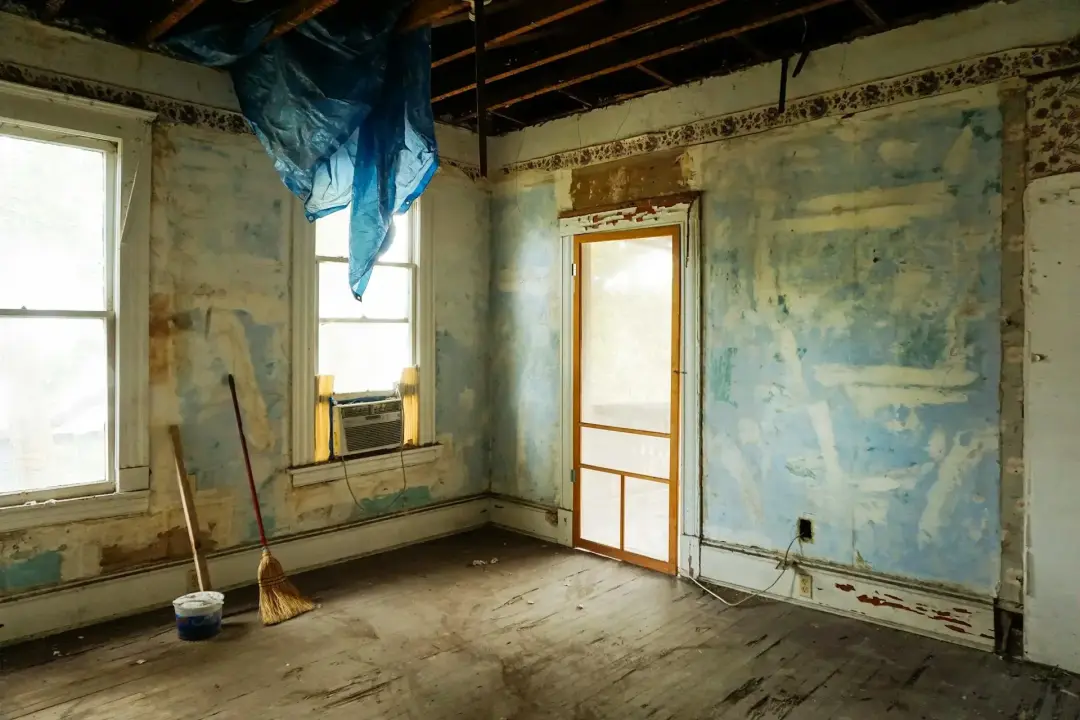
Weak plaster is another problem you might come across. If the wall surface begins to crumble or peel, the wallpaper removal must be slowed down to avoid further damage. Repairs may be needed before the room can be fully decorated. Look closely for any damp, mould, or water stains, as they can also create delays because these issues should be fixed properly rather than hidden.
Awkward room features can add time, too. Radiators, built-in cupboards, staircases, high ceilings, and tight corners all make access harder. Electrical sockets and switches require extra care. Poor lighting can make it difficult to spot remaining paper and glue.
Rushing through these problems usually creates more work later. It is better to deal with each issue as it appears. This helps protect the wall and gives a better final finish.
DIY Wallpaper Removal vs Hiring a Professional
Removing wallpaper yourself can save you lots of money, but it can take longer than expected. A careful DIY approach can work well for a simple room with one layer of standard wallpaper. You will need time, patience, and the right tools. The main cost is usually equipment, dust sheets, remover solution, and possibly a steam stripper. The biggest challenge is knowing how much pressure to use and when to stop before damaging the wall.
DIY removal can become quite difficult when the wallpaper is painted, old, or fitted in several layers. It can also be harder if the room has high ceilings, stairs, or awkward corners. If the plaster underneath is weak, scraping too firmly can create repairs that cost more to fix later. Many people also underestimate the time needed to clean glue from the walls.
A professional decorator will always work much faster because they have plenty of experience, proper tools, and a better understanding of wall surfaces. They can often spot problems early, such as blown plaster, damp, or poor past preparation. A professional can also advise whether the wall is ready for paint, needs lining paper, or needs repair.
The choice depends on the room, your budget, and your confidence. DIY may be suitable for simple jobs. A professional is typically the much safer choice for large rooms, older homes, painted wallpaper, delicate plaster, or when you need the room finished to a high standard. If you lack experience or don’t know anyone personally who could carry out the job for you, we recommend calling the pros!
How to Speed Up Wallpaper Removal Safely
Wallpaper removal can be made faster, but it should still be done safely. The best way to save time is to prepare properly before starting. Move furniture away from the walls, cover floors, protect sockets, and gather all tools. Having everything ready means you do not need to keep stopping during the job.
Always start by testing a small section of your wall first. Try lifting a corner to see if the paper peels away dry or needs soaking, and this will help you select the right method. If the paper is washable, vinyl, or painted, use a scoring tool lightly so water or steam can reach the glue.
Work in small sections rather than wetting the whole room at once. Soak one area, give it time to soften, then scrape gently. Warm water can help soften glue, and a removal solution may help with stubborn areas. A steam stripper can also speed up difficult wallpaper, but it should not be held in one place for too long. Too much heat and moisture can weaken plaster.
The safest way to speed up removal is to let moisture do the work. Gentle scraping after proper soaking is faster than fighting dry paper.
What to Do After the Wallpaper Has Been Removed
After the wallpaper has been removed, the wall should be checked carefully before any new decorating begins. The first step is to clear away loose paper and clean the room. Wet wallpaper scraps can stick to floors and skirting boards, so it is best to remove them as you go. Once the visible paper has gone, the wall should be inspected for backing paper, glue, damage, and damp patches.
Glue removal is very important. Even if the wall looks bare, adhesive may still remain. This can stop paint from going on smoothly and may cause new wallpaper to bubble. Wash the wall with warm water and a sponge, changing the water often. If the glue is stubborn, a remover solution may be needed. After cleaning, wipe the wall again with clean water.
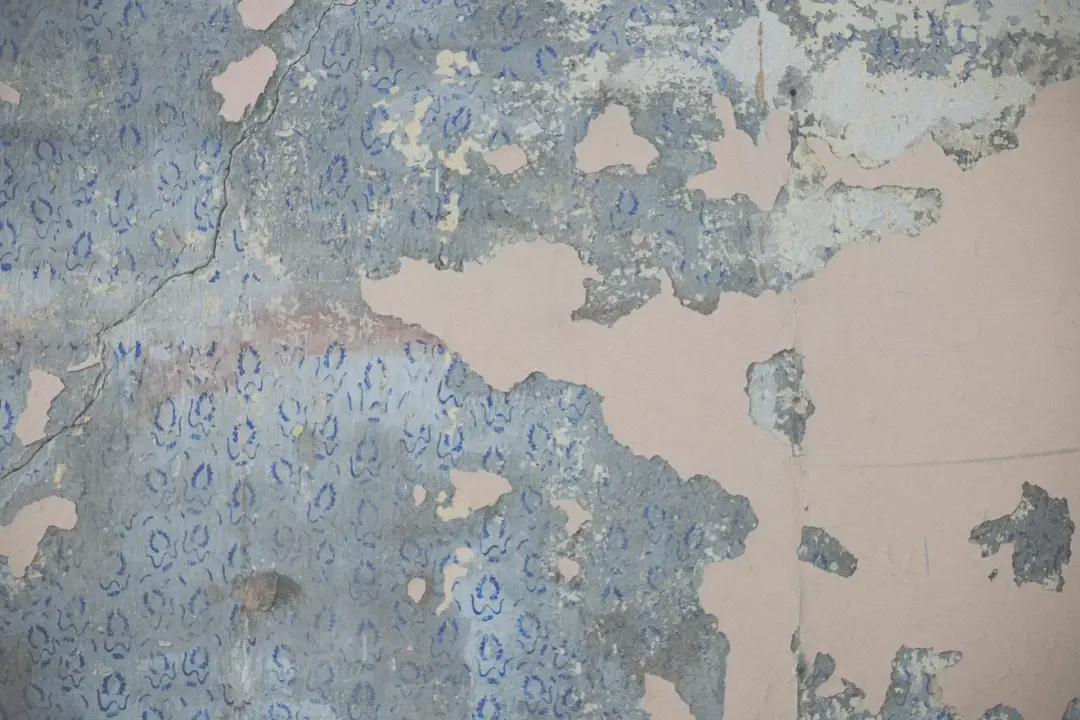
Once the wall is dry, look for cracks, holes, dents, and rough areas. Small marks can usually be filled and sanded. Larger damage may need more careful repair. If there are signs of damp or mould, find and fix the cause before decorating. Covering the problem will not make it go away.
When the wall is clean, dry, and smooth, it may need a primer or sealer. This allows you to create an even surface for paint or wallpaper. Taking time after removal helps the new finish look better and last longer.
When to Call a Professional Decorator
It is sensible to call a professional decorator when wallpaper removal looks more difficult than a simple DIY job. Painted wallpaper, old wallpaper, several layers, and wallpaper on high walls can all take a lot of time and effort. A professional will usually know which method to use and how to reduce the risk of wall damage.
Also, consider the help of a local professional if the plaster seems weak. The signs can include crumbling patches, hollow sounds, deep cracks, or areas where the surface pulls away with the paper. Scraping these walls without experience can make the damage worse. A decorator can advise whether the wall needs filling, lining, sealing, or further repair.
Damp and mould are also good reasons to ask for help. Wallpaper can hide water damage, and removing it may reveal stains, soft plaster, or black marks. These problems need proper attention before the room is redecorated. A professional may not fix the source of damp, but they can tell you when another trade may be needed.
Hiring a decorator is also useful when time is of the essence! If you need a room ready quickly, a professional can often complete the work faster and with less mess. They can also prepare the walls for the next finish. Calling a professional is not only about saving effort. It can help avoid costly mistakes and give a better result.
wallpaper removal Northampton
We provide expert wallpaper removal services in Northampton and surrounding areas. From feature walls to full-room designs, we handle all types of wallpaper designs with care and precision. Trust us with our expertise!
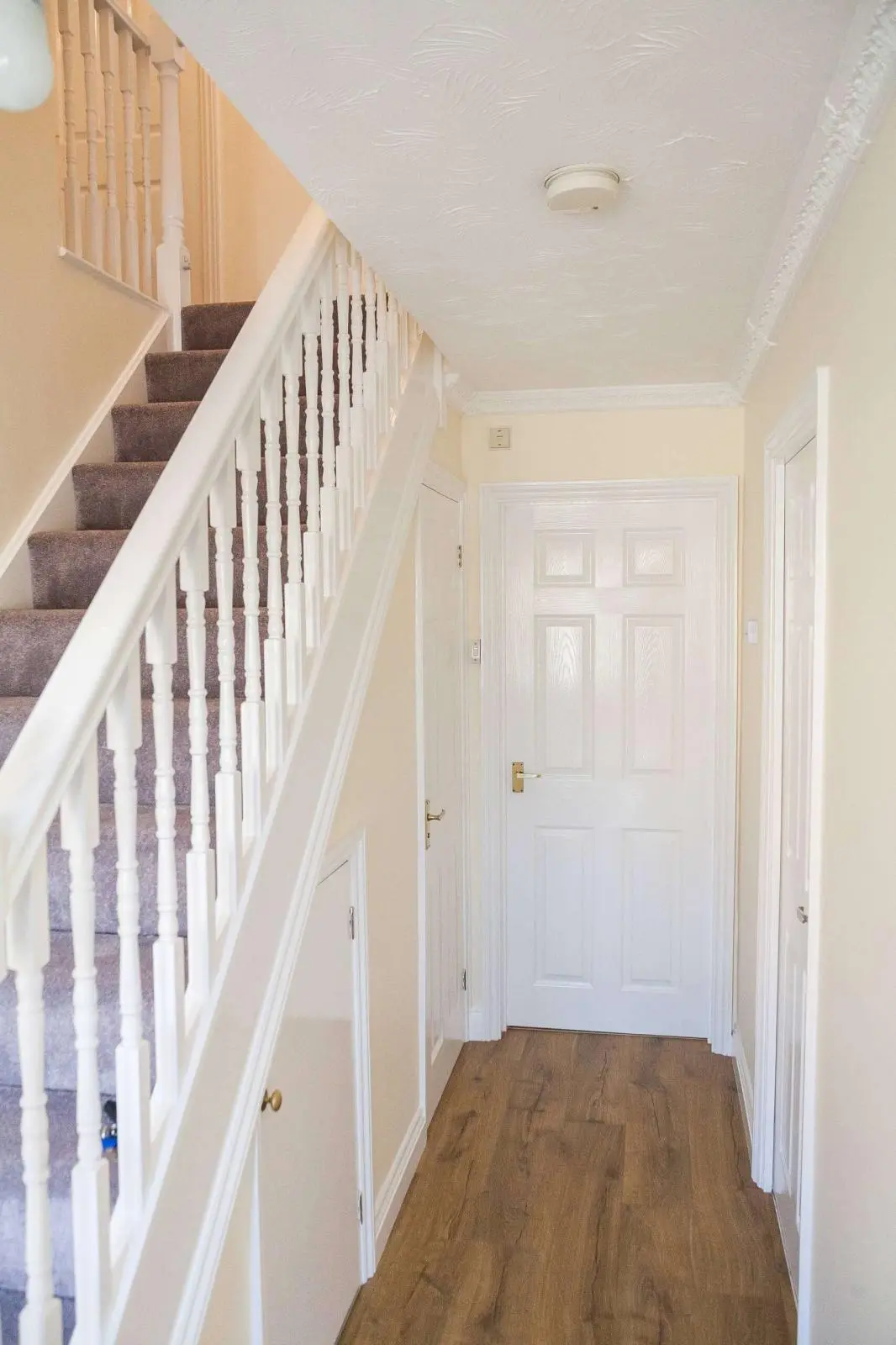
Interior decorating.
Careful preparation and a considered finish for homes and commercial spaces.
View interior services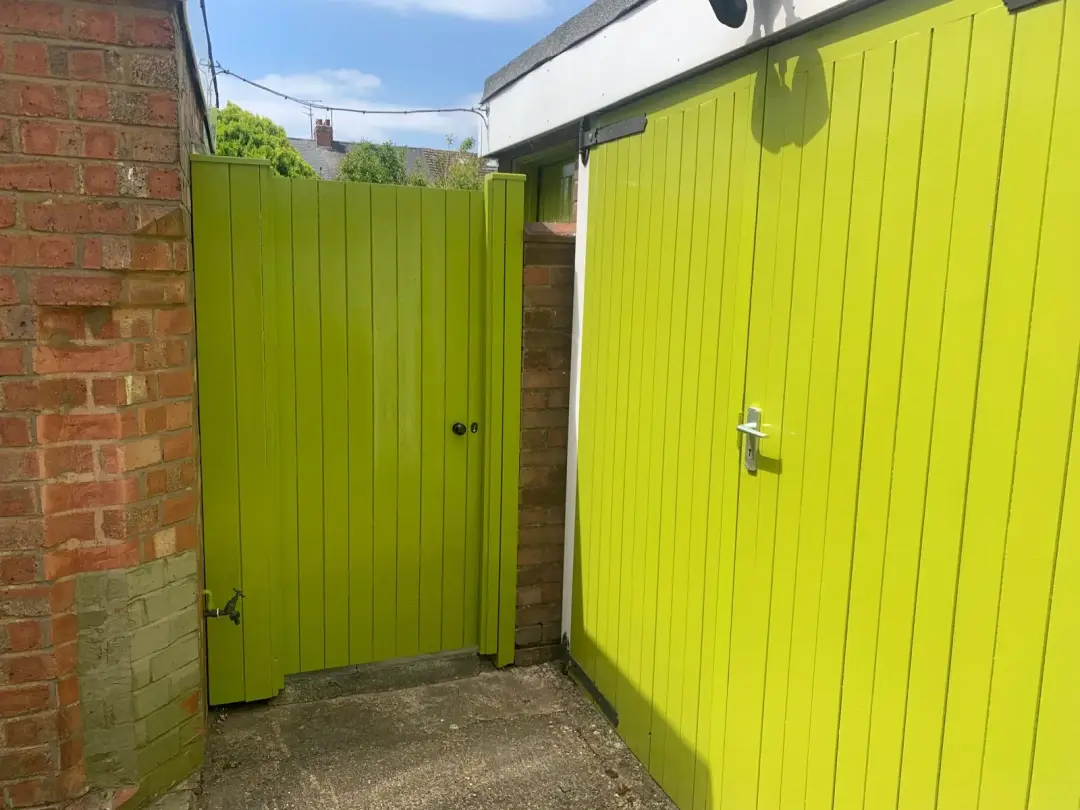
Exterior decorating.
Preparation, protection and professional finishes for the outside of your property.
View exterior services