20 min read

Learn how to choose paint for kitchen walls with our expert tips. Find durable, moisture-resistant paints that handle grease, steam & stains while brightening your space.
Why Kitchen Wall Paint Needs Careful Choosing
Kitchen wall paint needs plenty of careful choosing because kitchens face more moisture, heat, grease, and cleaning than many other rooms. A kitchen is not just a decorative space. It is a working room where cooking, washing, steaming, and splashing happen on a day-to-day basis. Paint that works well in a bedroom or living room may not last as well in a kitchen.
The right paint should be able to handle regular wiping. Walls near hobs, sinks, kettles, and food preparation areas can collect marks. If the paint is too delicate, cleaning may leave shiny patches, faded areas, or peeling. A more suitable finish can help the wall stay fresh for longer.
Moisture is also necessary for this kind of environment. The steam from cooking and washing up can settle on walls, especially in smaller kitchens or rooms with poor ventilation. If paint does not cope well with moisture, it may bubble, flake, or allow mould to form. Good ventilation still matters, but suitable paint gives extra protection.
Colour choice is also important in kitchens. Cabinets, worktops, flooring, tiles, appliances, and lighting all affect how the wall colour looks. A shade that looks good on a colour card may look different beside your units or under bright task lighting.
Choosing kitchen paint carefully saves time and money. A good choice looks attractive, cleans well, and suits the way the room is used every day.
Choose Paint That Can Handle Moisture
Kitchen walls need a type of paint that can handle lots of moisture because steam and condensation are common in this room. Cooking, boiling water, washing dishes, and using appliances can all add moisture to the air. When warm, moist air meets a cooler wall, it can turn into water droplets. Over time, this can affect paint and plaster.
Paint that does not cope well with moisture may start to peel, bubble, or stain. In areas with poor airflow, damp patches and mould can also appear. This is more likely around windows, corners, external walls, and behind furniture or appliances. Choosing a moisture-resistant paint can help protect the wall surface.
Paint alone cannot solve any moisture problems in your home or kitchen. Good ventilation is still needed. Extractor fans, open windows, and steady heating can help reduce condensation. If there is a leak or damp issue, it should be fixed before painting. Painting over damp walls can trap the problem and lead to failure.
When choosing the right paint, look for options suitable for kitchens, bathrooms, or busy areas. These paints are usually designed to be much tougher and easier to wipe without damage. Some are made to resist lots of moisture better than standard matt paints.
The finish also matters. Very flat finishes may mark more easily, while more washable finishes can handle light cleaning. A paint that deals well with moisture will help the kitchen look fresher for longer.
Pick a Finish That Is Easy to Clean
An easy-clean finish is very important for all kitchen walls because dirt and grease marks are so common. Food splashes, grease, fingerprints, steam, and everyday dirt can all land on painted surfaces. If the paint cannot be wiped clean, the walls may soon look tired. In busy kitchens, a washable paint finish is usually a sensible choice.
A paint’s finish can impact how easy the wall is to clean. Matt paint can look soft and modern, but standard matt may not handle scrubbing well. It can sometimes leave marks on the walls or become patchy if wiped too frequently. Washable matt is a far better option if you want that low-sheen look with more strength and a long-lasting finish. Satin and eggshell finishes are usually easier to wipe because they have a slight sheen.
The level of sheen has the power to change the entire appearance of the wall. A shinier finish reflects much more light and may show visible bumps or uneven plaster. A flatter finish is the best way to hide away any imperfections, but it may be less easy to clean. The best choice is often a balance between appearance and practicality.
Pay attention to areas near the hob, sink, bin, and food preparation surfaces. These places are more likely to need cleaning. Tiles, splashbacks, or washable paint can help protect them.
Cleaning should still be gentle. Even durable paint can be damaged by harsh scrubbing or strong chemicals. Choose a paint that suits kitchen use, and follow the care instructions. This helps the finish last longer.
Think About Grease, Steam, and Stains
Grease, steam, and stains are some of the everyday challenges you may face in your kitchen. Even careful cooking can release tiny grease particles into the air. These can settle on walls, especially near the hob and extractor. Steam can soften surfaces, and food splashes can leave marks. This is why kitchen wall paint must be practical as well as attractive.
Grease can be quite difficult to clean from a delicate paint finish. If the wall surface absorbs stains, marks may remain even after wiping. A more washable paint can help, but areas very close to cooking zones may need extra protection. A tiled or glass splashback is often useful behind a hob or sink.
Steam can also have a negative impact on the paint over time. Repeated moisture may cause poor-quality paint to peel or bubble. In rooms with limited ventilation, this can happen faster. Good airflow helps, but the paint should still be suitable for a kitchen setting.
Stains from sauces, drinks, and cooking ingredients can be more visible on pale walls. This does not mean pale colours should be avoided, but the paint finish should be easy to clean. Mid-tone colours may hide small marks better than very light or very dark shades.
Before painting, walls should be cleaned properly. Grease left on the surface can stop new paint from bonding. A clean, dry wall gives the paint a better chance of lasting.
Choose Colours That Suit Your Kitchen Size
The size of your kitchen should guide your paint colour choice. In a small kitchen, lighter colours can help the room feel more open and airy. Soft white, cream, pale grey, light green, and gentle blue can all make walls feel less heavy. These shades can reflect more light, which is useful in narrow or darker kitchens.
Dark colours can still work inside a small kitchen, but they should be used carefully, if not sparingly. A deep colour on one wall, in an alcove, or above open shelving can add style without making the whole room feel closed in. If the kitchen has good natural light, darker shades may feel rich rather than cramped.

Larger kitchens can often handle stronger colours. Warm tones can make a large kitchen feel more welcoming, while cooler tones can create a clean and calm look. If the room feels too open, a deeper wall colour can help it feel more balanced.
Ceiling height also matters. A low ceiling may feel higher with a lighter wall and ceiling colour. A tall kitchen can take more contrast, such as deeper walls with lighter cabinets.
Think about the amount of wall space visible. Kitchens often have cabinets, tiles, and appliances, so the paint colour may appear in smaller sections. Testing samples on different walls is helpful because colour can change with light and shadow.
Match Paint Colours with Cabinets and Worktops
Kitchen wall paint should work well with cabinets and worktops because these are large, fixed features. Replacing them is expensive, so the paint should support what is already there. A colour that looks beautiful on its own may not suit the cabinet finish, worktop pattern, or overall style of the room.
Start by looking at the undertones. Some cabinets are warm, with cream, beige, wood, or yellow tones. Others are much cooler, such as grey, blue, black, or bright white. Worktops can also have either warm or cool tones. Choosing wall paint with a similar undertone often creates a calmer look and more harmony.
If your cabinets are dark, lighter walls can stop the kitchen from feeling too heavy. If cabinets are white or pale, you have more freedom to add colour to the walls. Wood cabinets often look good with soft greens, warm neutrals, or muted blues, but the exact shade depends on the wood tone.
Patterned worktops need care. If the worktop has strong veining or speckles, a simple wall colour may work best. Too many patterns and colours can make the kitchen feel busy. Plain worktops can usually handle more colour on the walls.
Take samples home and hold them near cabinets, worktops, tiles, and flooring. This is the best way to see whether the colours work together. Good matching makes the whole kitchen feel more planned.
Consider Your Kitchen Lighting
Lighting has a strong effect on kitchen paint colours. A colour that looks warm and soft in one kitchen may look dull or cold in another. Natural light, ceiling lights, under-cabinet lights, and the direction the room faces all change how paint appears.
A north-facing kitchen can feel a lot cooler throughout the year because it usually has less warm sunlight peaking through. Warm neutrals, soft creams, or gentle warm colours are a great way to help balance this. A south-facing kitchen typically gets more natural light, so colours can appear brighter. In these rooms, stronger colours may look more intense than expected.
Artificial lighting also matters. Bright white bulbs can make colours look cooler, whereas warm white bulbs can make them feel much softer and more yellow. Under-cabinet lighting can create varying shadows and highlight certain wall areas. Paint near worktops may look different from paint near the ceiling.
This is why samples are important. Paint a small area on more than one wall, or use sample boards that can be moved around. Look at the colour in the morning, afternoon, and evening. Also, check it with the lights on and off.
Gloss and sheen can affect lighting, too. A shinier finish reflects more light and may show uneven surfaces. A softer finish reflects less light. Considering lighting before buying paint helps avoid colour mistakes and gives a better final result.
Use Neutral Colours for a Timeless Look
Neutral colours are a popular choice for kitchen walls because they can stay stylish for a long time. Shades such as white, cream, beige, taupe, soft grey, and warm stone work with many cabinet styles and finishes. They also make it easier to change accessories later without repainting the whole room.
A neutral kitchen does not need to feel plain. Different neutral shades can create warmth, depth, and calm. For example, warm white can feel softer than bright white. Greige can add more warmth than cool grey. Cream is a great shade and can make a kitchen feel very welcoming, especially with wood or traditional cabinets.
Neutral colours are useful if the kitchen already has strong features. Patterned tiles, dark cabinets, bold flooring, or a busy worktop may look better with simple walls. The neutral colour gives the eye a place to rest and prevents the room from feeling crowded.
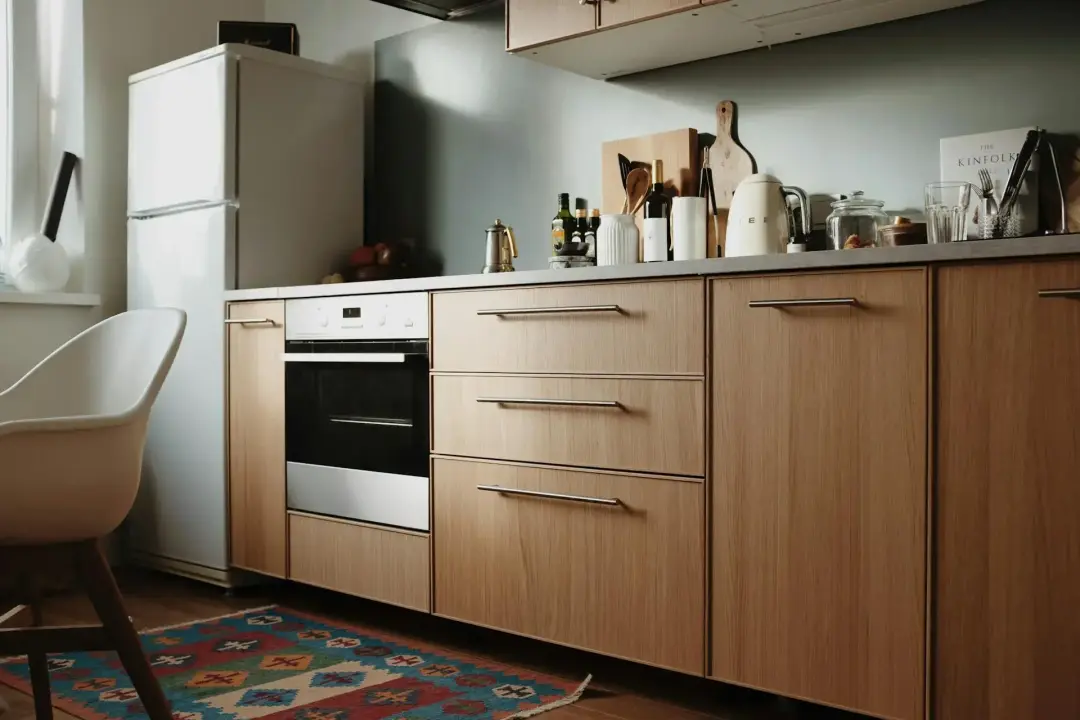
The key is choosing the right neutral shade. Some whites can look too cold, and some creams can look too yellow. Some greys can look quite flat in poor lighting. So, testing samples is important because neutrals change a lot depending on the lighting and nearby materials.
A timeless look can still include colour through plants, blinds, artwork, small appliances, or accessories. Neutral walls give a flexible background. This makes them a sensible choice for kitchens that need to last through changing tastes.
Add Colour Without Making the Room Feel Busy
Adding colour to kitchen walls can make the room feel a lot more lively and personal, but it needs balance. Kitchens already contain many visual details, including cabinets, handles, appliances, tiles, flooring, worktops, and small items on counters. Too much colour can make the room feel busy, especially in a small space.
One of the easiest ways to add colour to your home kitchen is to choose a muted shade rather than a very bright one. Soft greens, dusty blues, warm terracottas, muted yellows, or gentle pinks can add interest without overwhelming the room. Another option is to use colour in one area. A feature wall, painted alcove, open shelving background, or dining corner can add character while keeping the rest of the kitchen calm. This works well when the room has a clear area that can be highlighted.
Colour should always connect with something else in the kitchen. It may help to pick up a tone or shade from the tiles, worktop, flooring, blinds, or accessories and utilise that throughout the space. This helps the colour feel intentional rather than random.
If the cabinets or tiles are already quite bold, be sure to keep the wall colour a bit simpler. If the kitchen is mostly neutral tones, the walls can then carry much more colour. The goal is to create interest without making the room feel heavy with bold colours and textures, or overcrowded. A carefully chosen shade can lift the space while keeping it easy to live with.
Check Paint Samples Before You Decide
Checking paint samples is one of the most important steps when choosing kitchen wall paint. Paint can look very different on a wall than it does on a colour card or screen. Lighting, cabinet colour, worktops, flooring, and room size all affect how the shade appears.
Use sample pots or peel-and-stick samples if available. Paint the sample onto the wall or onto a board that can be moved around the room. A board is useful because you can hold it beside cabinets, tiles, and worktops. It also lets you see the colour in different parts of the kitchen.
Look at the sample at different times of day. Morning light, afternoon light, and evening lighting can all change the colour. Also, check the sample when the kitchen lights are on. A shade that looks fresh in daylight may look too dark or too yellow at night.
Do not judge a sample while the paint is still wet. Paint often dries to a different finish. Give it proper drying time before making a decision. It is also helpful to test more than one shade, especially if you are choosing between similar neutrals.
Samples can prevent expensive mistakes. Buying paint without testing may lead to a colour that clashes with cabinets or makes the room feel smaller. A small test gives much more confidence before painting the whole kitchen.
Choose Paint That Works with Tiles and Flooring
Kitchen wall paint should work with tiles and flooring because these surfaces have a strong effect on the room. Tiles may cover splashbacks, full walls, or areas around the sink and hob. Flooring covers a large surface, so its colour and pattern should not be ignored.
Start by looking at the main tones in the tiles. White tiles may seem simple, but some are warm and creamy while others are cool and bright. Grey tiles can have blue, green, or beige undertones. Patterned tiles may already include several colours, so the wall paint should usually be simpler.
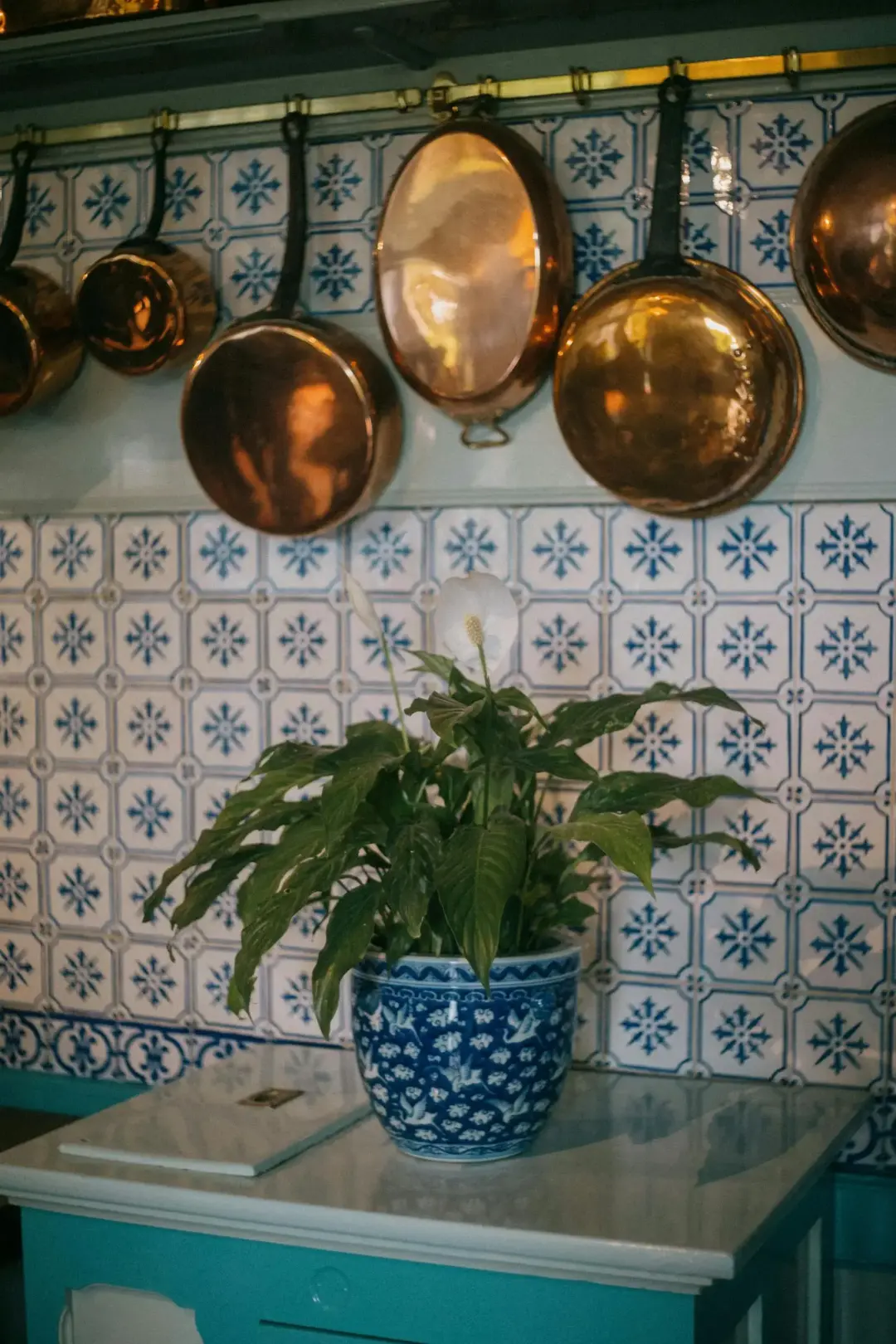
Flooring also matters plenty. Wood or wood-effect flooring often adds warmth. Stone, grey, or black flooring may create a cooler look. If the floor is dark, lighter walls can help balance the room. If the floor is pale, you may be able to use a stronger wall colour.
Avoid choosing paint in isolation; it’s always best to look ahead and see if it would be harmonious with all other existing or future features.
A colour that looks good beside the cabinets may not work with the tiles or flooring. Hold samples near all main surfaces before deciding. Check them in natural and artificial light.
Should You Use Matt, Satin, or Eggshell Paint?
Choosing between matt, satin, and eggshell paint depends on the look you want and how hard the wall needs to work. Each finish has different strengths. In a kitchen, cleaning and moisture resistance are important, so the finish should be chosen carefully.
Matt paint has a low-sheen finish and can look smooth and modern. It is good at hiding small wall imperfections because it reflects less light. However, standard matt paint may not be easy to clean. If you like a matt look, choose a washable matt made for busy areas or kitchens.
Satin paint has more sheen and is usually easier to wipe clean. It can work well in kitchens because it is more practical for areas that get a lot of marks. However, the shine can show bumps, dents, or uneven plaster more than matt paint. Good wall preparation is important.
Eggshell sits between matt and satin. It has quite a soft sheen and is usually a great balance between appearance and durability. It can be a lot easier to clean than standard matt paint while looking less shiny than satin. Many people choose eggshell for kitchens because it feels practical without being too glossy.
The best finish depends on the wall condition, lighting, and how busy the kitchen is. For a much calmer look, a washable matt or eggshell may work well. For areas needing more cleaning, satin may be suitable.
How to Prepare Kitchen Walls Before Painting
Preparing kitchen walls before painting is essential because kitchen surfaces often collect grease, steam marks, and dust. Paint needs a clean, dry, and stable surface to bond properly. If preparation is rushed, the finish may peel, stain, or look uneven.
We recommend beginning with some clearing of the area. Move away any small appliances, cover your worktops, and protect the flooring. Remove pictures, hooks, and loose items from the walls. If possible, take down shelves or fittings that make painting harder.
Clean the walls carefully. Grease can be hard to see, but it can stop paint from sticking. Use a suitable cleaner and wipe the wall well, especially near the hob, sink, and bin area. Rinse if needed and allow the wall to dry fully.
Check for cracks, holes, peeling paint, and rough patches. Scrape away loose paint and fill damaged areas. Once the filler is dry, sand it smooth. Dust should be removed before painting. If there are stains, a stain-blocking primer may be needed. If the wall is newly plastered, it must be fully dry and prepared with the right first coat.
Mask the edges around cabinets, tiles, sockets, and skirting boards. Good masking helps create neat lines. The proper preparation may take some time, but it makes painting a whole lot easier and improves the final result.
Common Kitchen Paint Mistakes to Avoid
One common kitchen paint mistake is choosing a colour without testing it in the room. Kitchen colours can change greatly because of lighting, cabinets, tiles, and worktops. A colour that looks good in a shop may look too dark, cold, or bright at home. Samples help prevent this.
Another common mistake people make is using a type of paint that is not suitable for kitchen conditions. Standard paint may not be able to appropriately handle moisture, grease, or regular wiping. It can mark, peel, or stain more quickly. A kitchen needs a finish that is durable and easy to clean.
Poor preparation is also a major problem, so try not to make this mistake. Painting over any grease, dust, loose paint, or old stains can lead to a poor finish. Kitchen walls should be cleaned and repaired before painting. Skipping this stage may save time at first, but it often causes problems later.
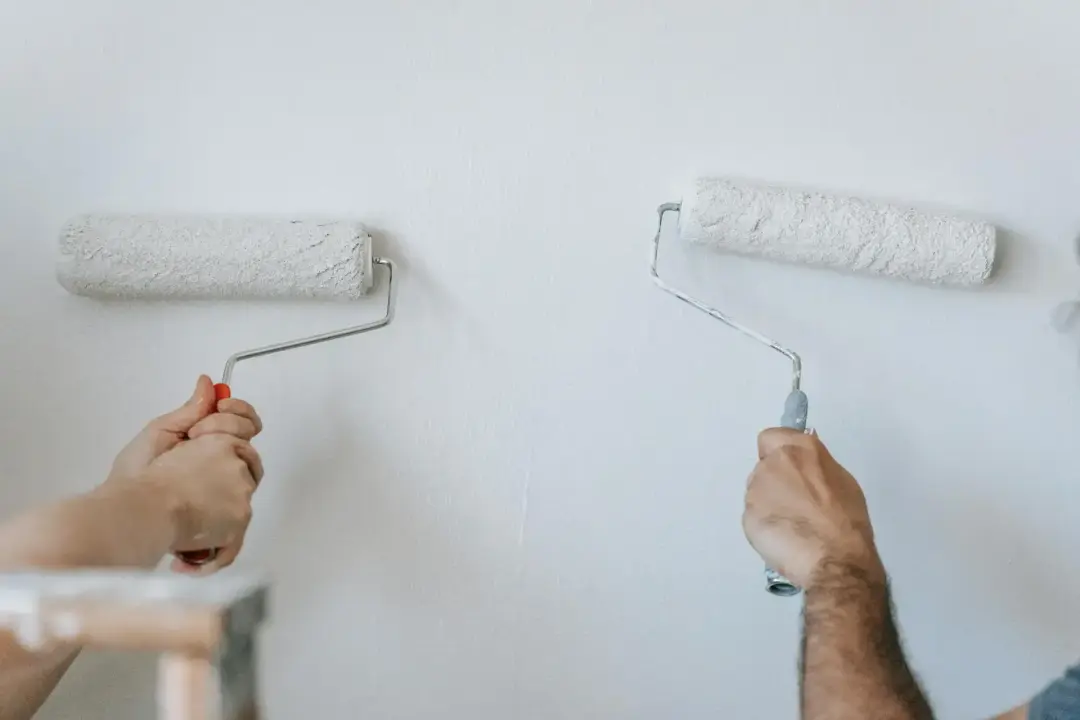
Choosing the wrong finish can also affect the result. Very shiny paint may show wall imperfections, while standard matt paint may not clean well. The finish should suit both the look of the room and the way the kitchen is used.
Ignoring ventilation is another mistake. Paint cannot solve condensation or damp on its own. If the kitchen has moisture problems, they should be dealt with before decorating.
Finally, do not rush drying times. Applying another coat too soon can affect the finish. Following the paint instructions helps the wall look better and last longer.
When to Use Specialist Kitchen Paint
Specialist kitchen paint is useful when the walls need extra protection from moisture, grease, stains, and cleaning. It is designed for rooms where surfaces are used more frequently than in bedrooms or sitting rooms. If your kitchen is busy, small, steamy, or used often for cooking, specialist paint can be a good choice.
This type of paint is typically more washable than standard wall paint. It can usually handle gentle wiping, which is helpful near cooking and food preparation areas. Some specialist paints are also created to resist lots of moisture, reducing the risk of any peeling or bubbling in more humid spaces, like bathrooms and kitchens.
Specialist kitchen paint is especially useful near sinks, hobs, kettles, and bins. However, it is not a replacement for splashbacks in areas that get heavy splashes. Tiles, glass, or metal panels may still be better directly behind a hob or sink.
You may find that you don’t need specialist paint on every wall. In a large, well-ventilated kitchen with limited cooking mess, a durable, washable paint may be enough. In a family kitchen or a room with condensation, specialist paint may be worth the extra cost. Specialist paint works best when used on a clean, dry, and stable surface. It is a practical choice when the kitchen needs a tougher finish.
How to Make Kitchen Wall Paint Last Longer
Kitchen wall paint will last longer when the walls are prepared properly, and the right finish is used. Cleaning before painting is one of the most important steps. Grease, dust, and old marks can stop paint from sticking well. A clean, dry surface helps the paint bond and reduces the risk of peeling.
It’s always wise to go for a paint that suits the current kitchen conditions. Washable matt, eggshell, satin, or specialist kitchen paint can all be suitable depending on the room. Areas near sinks and hobs need extra thought because they face more moisture and stains. Good ventilation is a great way to make sure your paint lasts. Steam and condensation can damage walls over time. Use an extractor fan, open windows when needed, and avoid letting moisture sit on surfaces. If water regularly forms on walls, the cause should be addressed.
Clean your painted walls as gently as possible. Any harsh scrubbing or strong cleaners can damage the finish. Wipe away marks as soon as you notice them using a soft cloth and a suitable mild cleaner. This stops stains from settling into the paint.
Touch up small chips or marks before they become more noticeable. A good trick is to keep a small amount of leftover paint in a labelled container for the sake of any future repairs. With good preparation, careful cleaning, and proper ventilation, kitchen wall paint can stay fresh for much longer.
Budget Tips for Choosing Kitchen Paint
Looking for kitchen paint on a budget means finding a balance between cost, quality, and durability. The least expensive paint is not likely to be the best value if it needs extra coats or can be marked easily. A slightly better paint may cover much more evenly and last a lot longer, which can save money over time.
Make sure to measure your kitchen before buying any paint. This may sound silly and something that you would only do for wallpapering, but it will help you avoid buying too much or too little. Remember that kitchens often have less wall space than other rooms because cabinets, tiles, and appliances cover large areas. Check the paint tin for coverage guidance, but allow extra for rough or dark walls.
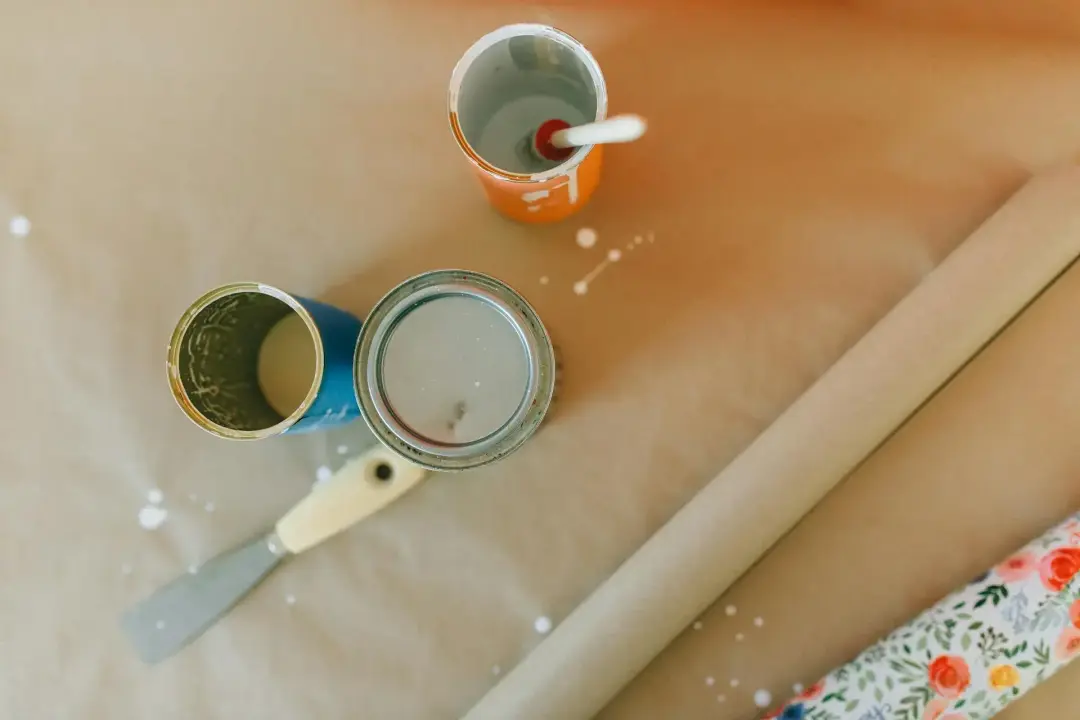
Use paint samples before buying a full tin, as they can be a costly purchase. This small cost can prevent an expensive colour mistake. Test colours beside cabinets, tiles, worktops, and flooring. A shade that works well with existing features can make the whole kitchen look better without needing other changes.
Look for durable paint in sales or smaller tins if the wall area is limited. You may not need a large tin for a small kitchen or a feature area. If you are using a bold colour, buying only what you need helps reduce waste.
Prepare the walls yourself if you feel confident. Cleaning, filling, sanding, and masking can reduce labour costs. Spending time on preparation can also make a lower-cost paint look better. Good planning helps you get a fresh kitchen finish without overspending.
When to Ask a Professional Painter for Advice
It is worth asking a professional painter for advice when you are unsure which paint will work best in your kitchen. This is especially helpful if the room has moisture problems, stained walls, peeling paint, or poor ventilation. A professional can look at the wall condition and suggest a suitable finish.
Professional advice is also most useful if you have a kitchen with difficult surfaces. If you have fresh plaster, old gloss paint, damaged walls, and areas with grease build-up, you may benefit massively from special preparation. Using the wrong product can lead to peeling or patchy results. A painter can advise whether primer, stain blocker, or specialist paint is needed.
If you are changing from a dark colour to a light one, or painting over strong stains, a professional can help you plan the right number of coats. This can prevent wasted paint and uneven coverage. They can also recommend the places where a tougher finish may be necessary, such as near cooking or washing areas, where the walls and surfaces are more likely to interact with water and moisture.
Colour advice can also be helpful. A painter may notice how light, cabinets, tiles, and flooring affect the shade. They can often suggest practical options that suit the room. You should also consider a professional if you want a very neat finish around cabinets, tiles, sockets, and shelves. Kitchens have many edges and awkward areas. Expert preparation and painting can give a cleaner, longer-lasting result.